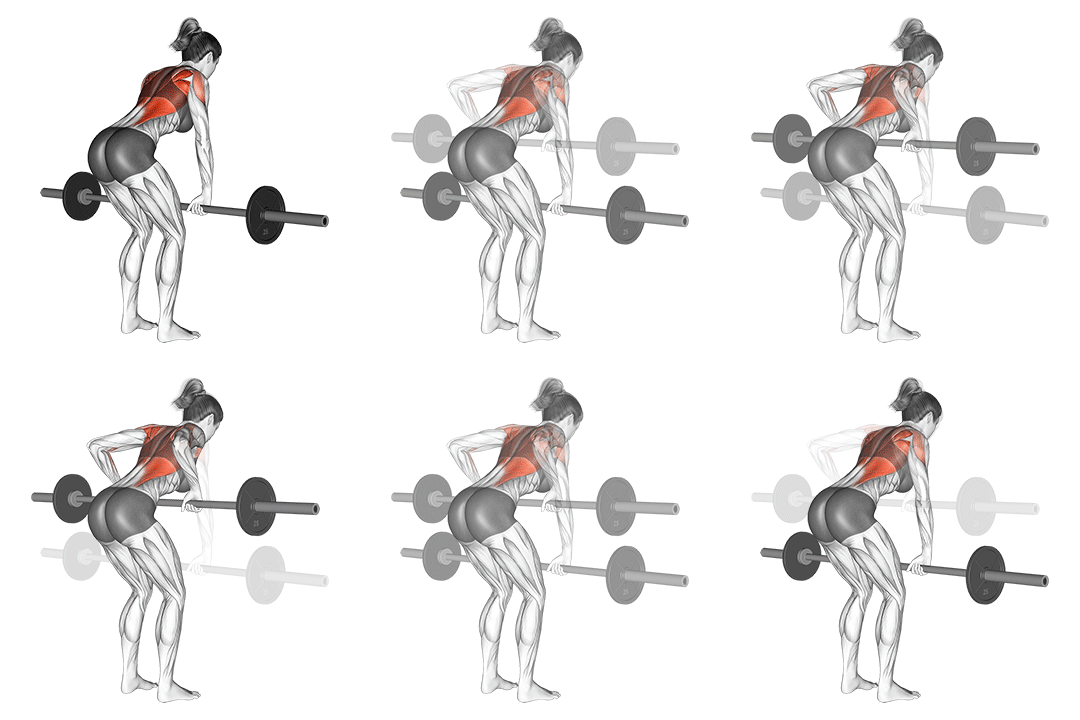
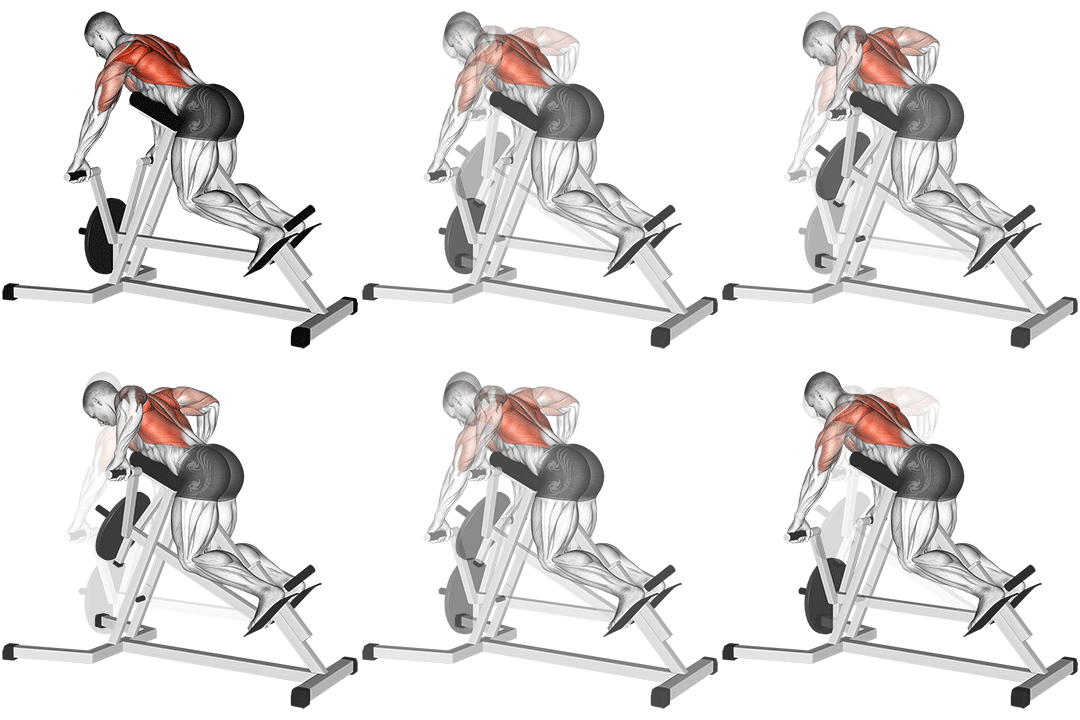
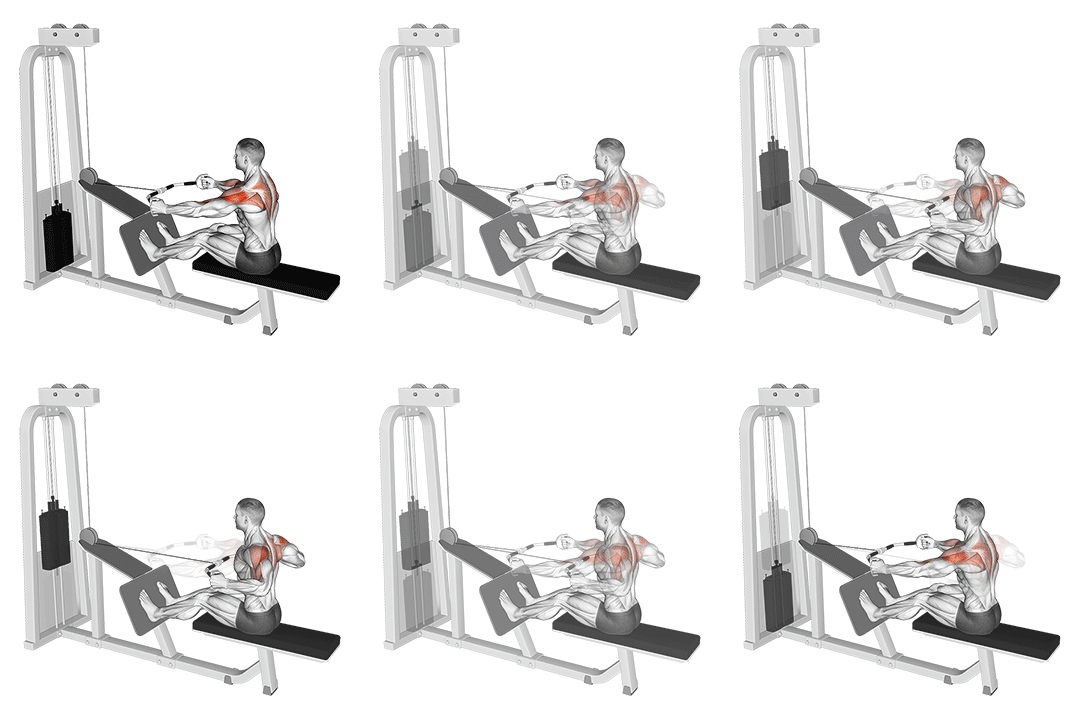
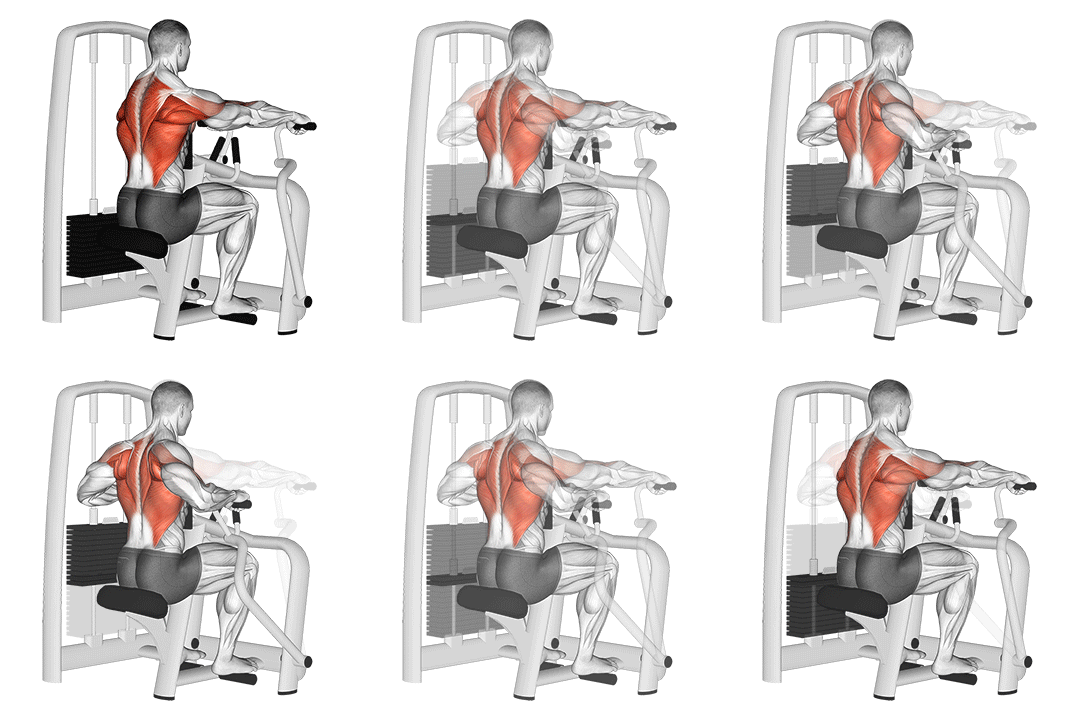
Dumbbell Row
Category
compoundDifficulty
beginner
Equipment
dumbbell, bench
Force Type
pull
How to Perform the Dumbbell Row
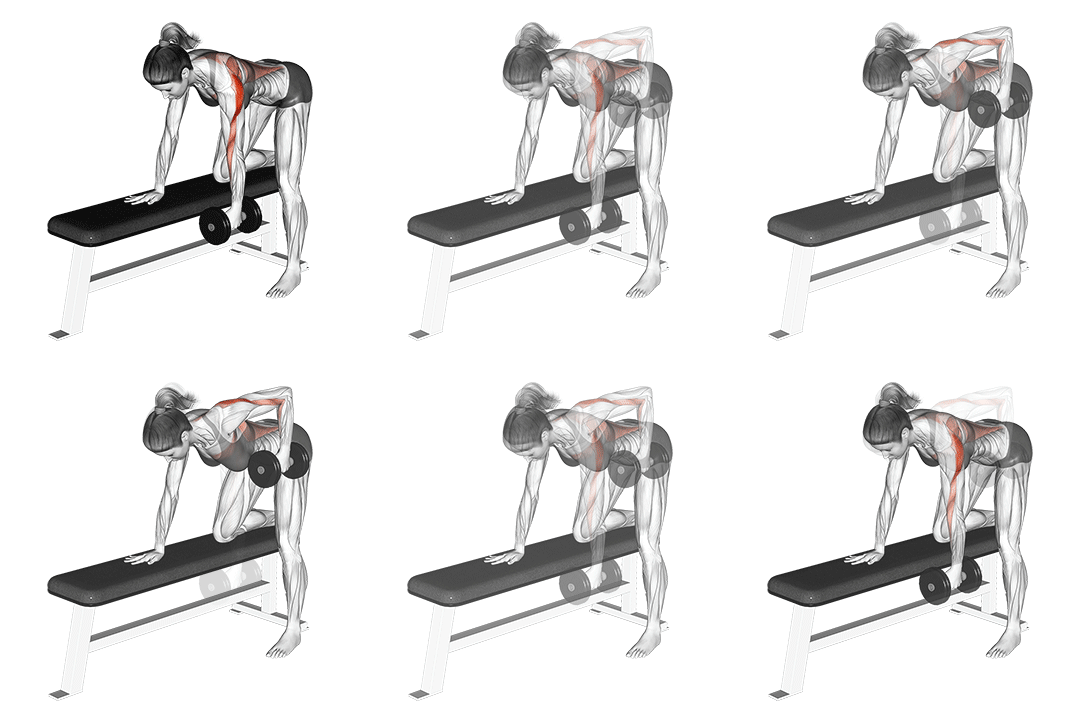
- Place your left knee and left hand on a flat bench for support, with your right foot on the floor.
- Pick up a dumbbell with your right hand and let it hang at arm's length with your palm facing inward.
- Keep your back flat and parallel to the floor, bracing your core for stability.
- Pull the dumbbell up toward your hip by driving your elbow straight back and slightly upward.
- Squeeze your lat and mid-back muscles at the top of the movement, holding for a brief pause.
- Lower the dumbbell under control back to full arm extension, feeling a stretch through your lat.
- Complete all reps on one side, then switch your stance and repeat on the opposite arm.
Common Mistakes to Avoid
Rotating the torso to heave the weight up
Keep your shoulders square to the floor. If your torso is twisting, the weight is too heavy.
Pulling the dumbbell to the chest instead of the hip
Row toward your hip to maximise lat engagement.
Shortening the range of motion
Fully extend your arm at the bottom and pull the dumbbell as high as possible at the top.
Rounding the lower back
Maintain a neutral spine by keeping your core braced and chest up.
Muscles Worked
Benefits
- ✓Corrects left-to-right muscle imbalances by training each side independently
- ✓Greater range of motion than barbell rows for deeper lat stretch and contraction
- ✓Bench support reduces lower back stress
- ✓Builds functional unilateral pulling strength
Pro Tips
- ●Drive your elbow past your torso at the top of each rep — think about putting the dumbbell in your back pocket.
- ●Use lifting straps on heavier sets so grip does not limit your back training.
- ●Start each set with your weaker arm first to ensure balanced development.
Variations
Recommended Sets & Reps
Strength
4-5 sets of 5-8 reps per arm
Hypertrophy
3-4 sets of 8-12 reps per arm
Endurance
2-3 sets of 15-20 reps per arm
Ready to Get Stronger?
Join 2,000,000+ lifters tracking their workouts with Stronger. Available on iOS and Android.


Training Guides
Articles featuring the dumbbell row in workout programs and training advice.