Weighted Pull Up
Category
compoundDifficulty
advanced
Equipment
pull-up bar, plate
Force Type
pull
How to Perform the Weighted Pull Up
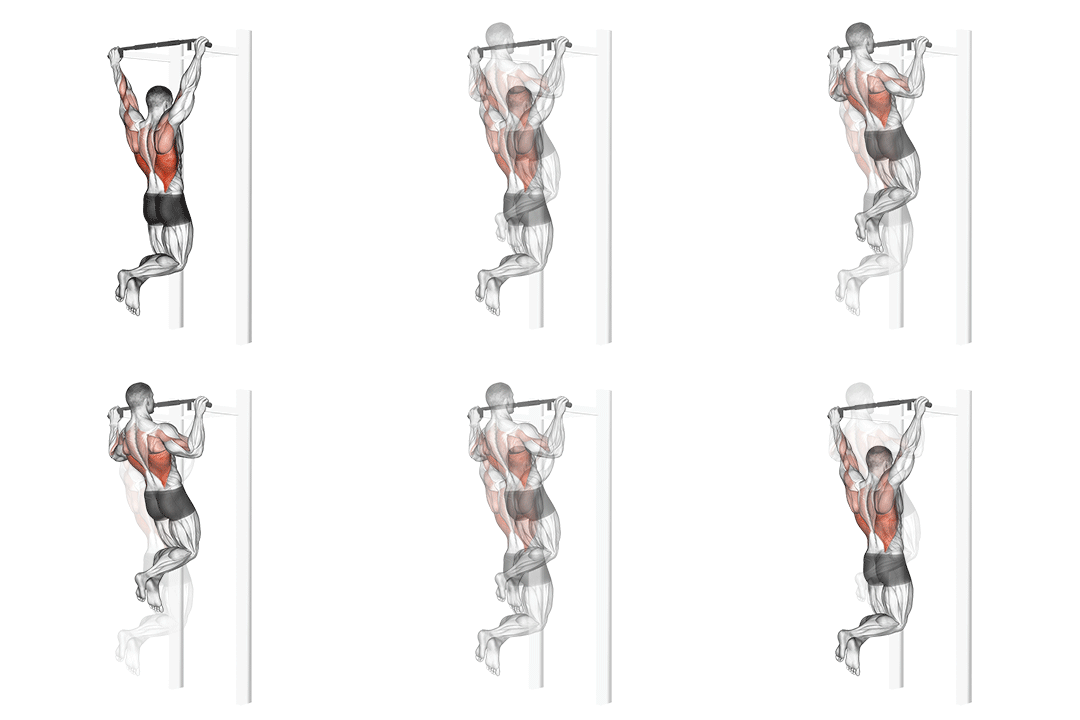
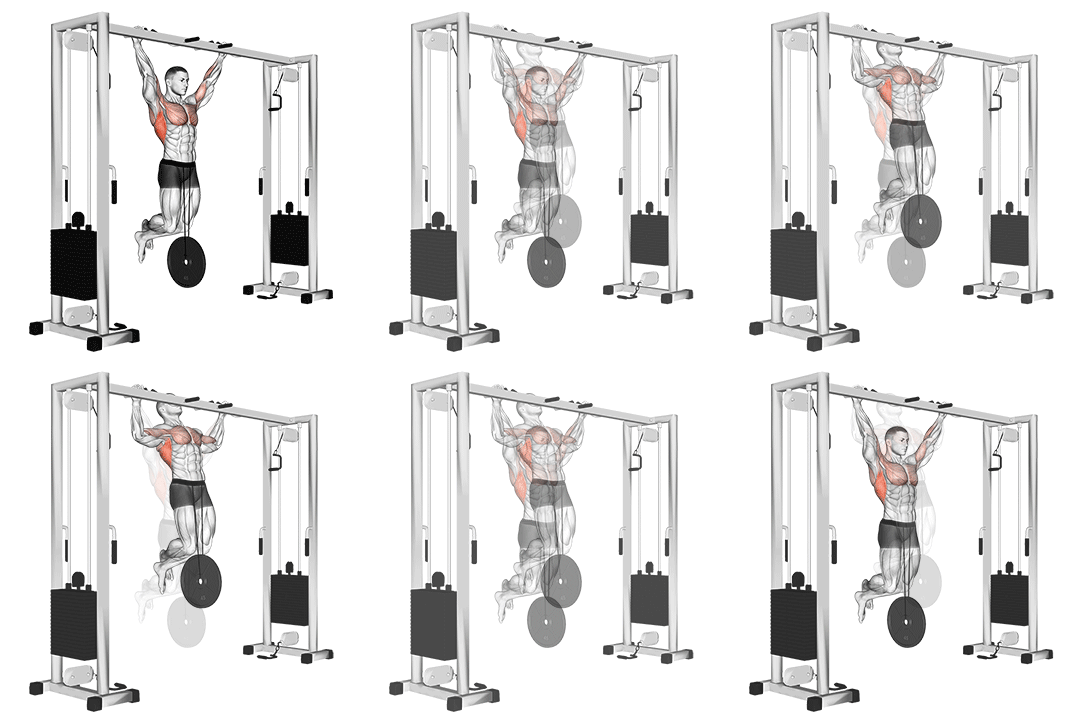
- Attach a dipping belt around your waist and load it with the desired weight, or hold a dumbbell between your feet.
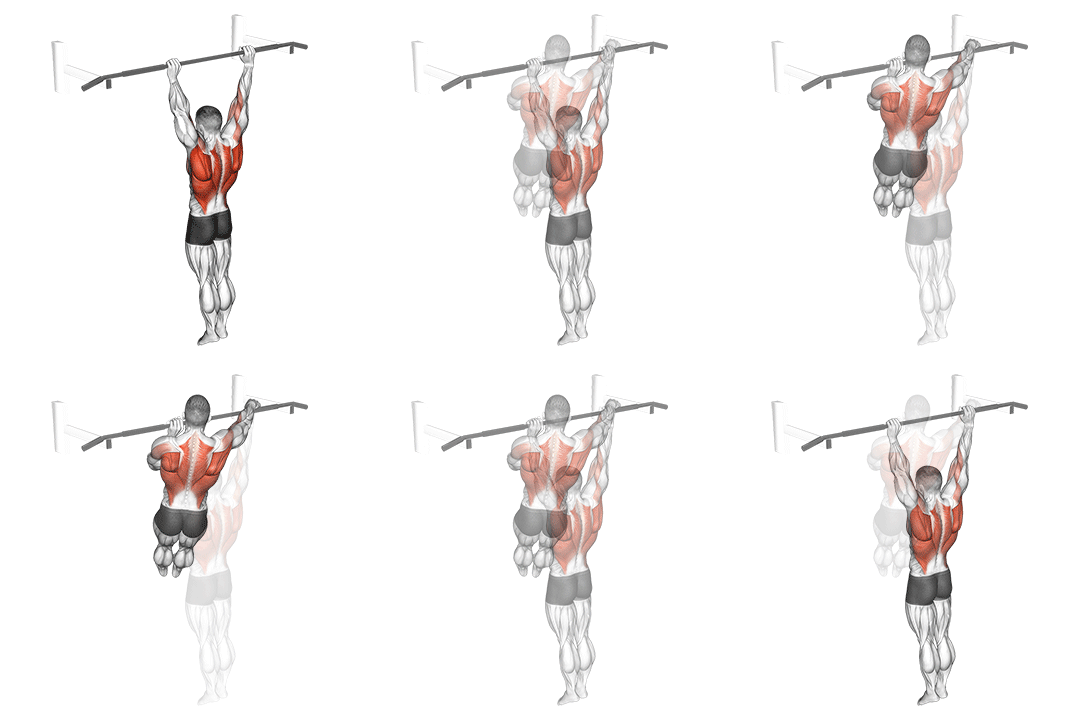
- Grip the pull-up bar with an overhand grip slightly wider than shoulder-width apart.
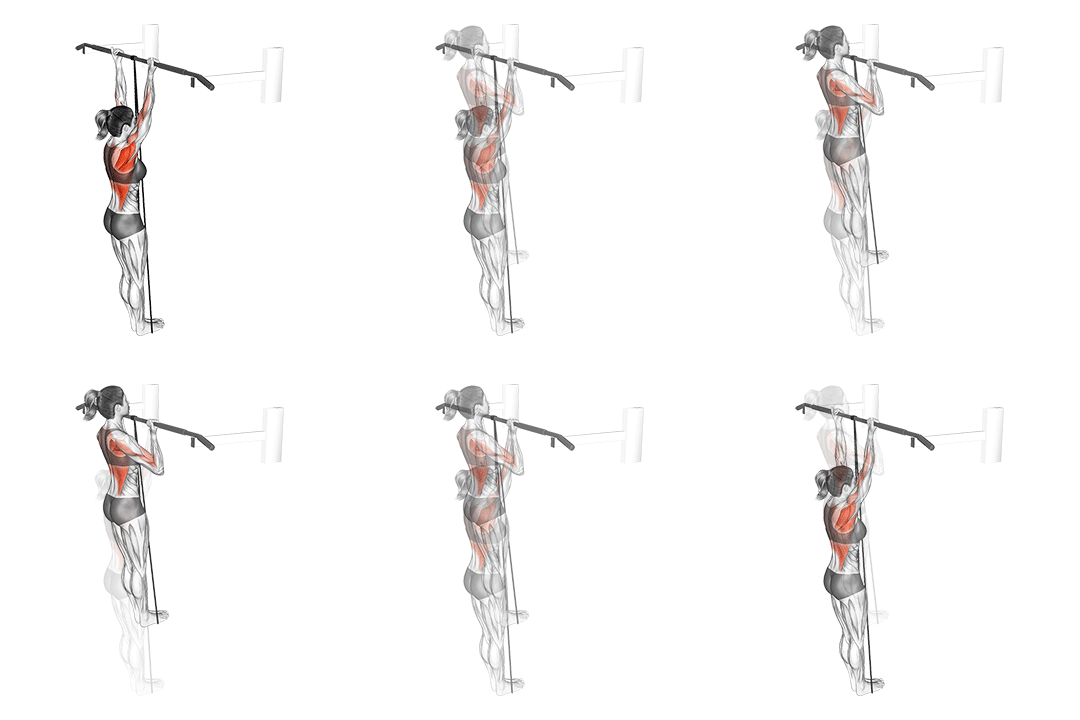
- Hang at full arm extension with your shoulder blades depressed and your core engaged.
- Pull yourself up by driving your elbows down and back, focusing on engaging your lats.
- Continue pulling until your chin clears the bar or your chest reaches bar height.
- Hold the top position briefly, squeezing your back muscles.
- Lower yourself in a controlled manner over 2-3 seconds back to the full hang position.
- Avoid swinging or kipping; each rep should be strict and controlled.
Common Mistakes to Avoid
Using kipping or momentum to get over the bar
Perform strict pull ups with controlled movement; if you cannot complete reps with added weight, reduce the load.
Not achieving full range of motion
Start from a full dead hang and pull until your chin is clearly above the bar on every rep.
Adding weight before mastering bodyweight pull ups
Be able to perform at least 10-12 strict bodyweight pull ups before adding external weight.
Muscles Worked
Benefits
- ✓Builds exceptional lat width and upper back strength beyond what bodyweight alone can provide
- ✓Develops powerful grip and forearm strength from supporting added external loads
- ✓Considered one of the gold-standard exercises for back development and upper body pulling strength
Pro Tips
- ●Start with small weight increments (2.5-5 lbs) and build up gradually over weeks.
- ●Use a controlled eccentric of 3-4 seconds to maximize back muscle recruitment.
- ●Mix grip widths across training sessions to develop the back from different angles.
Variations
Recommended Sets & Reps
Strength
4-5 sets of 3-5 reps at 80-90% 1RM
Hypertrophy
3-4 sets of 6-10 reps at 65-75% 1RM
Endurance
2-3 sets of 10-15 reps at 50-60% 1RM
Ready to Get Stronger?
Join 2,000,000+ lifters tracking their workouts with Stronger. Available on iOS and Android.